
China Group Tour (April 2027)
14 Nights
Meals as per itinerary
Departures between 08/04/2027 and 08/04/2027
Child max age: 17
from £2,979 / per person
Description
Embark on the journey of a lifetime with this meticulously crafted 14-night group tour. From the imperial grandeur of Beijing to the futuristic skyline of Shanghai, you will experience China’s ultimate highlights in complete comfort. Leave the logistics to us—travel stress-free by private coach, high-speed train, and internal flights, fully supported by expert English-speaking guides every step of the way.
Price Includes:
- Return flights from Dublin to China (via Abu Dhabi) with Etihad
- Airport taxes and security charges
- Transfers and sightseeing as specified in the itinerary by private 49-seater coach
- 14 night China Tour
- Beijing x 3 nights – Fenghui Hotel
- Xi’an x 3 nights – Jianguo Hotel
- Guilin x 2 nights – Guilin Bravo Hotel Grand Wing
- Yangshuo x 2 nights – New West Street Hotel
- Shanghai x 2 nights – Haiyue Mingting Hotel
- Suzhou x 1 night – Grace Hotel
- Shanghai x 1 night – Haiyue Mingting Hotel
- Breakfast throughout, 1 x lunch, 1 x Peking duck dinner at a local restaurant in Beijing
- All transport included
- Services of private driver and English-speaking guide during sightseeing and transfers (different guide and driver in each city)
- High speed train (2nd class) : Beijing/Xi’an
- Airline tickets with airport tax in economy class : Xi’an/Guilin/Shanghai
- Complimentary bottled water during sightseeing/transfers
- Entrance fee while sightseeing
- 1 x 20kg checked in luggage per person
Visit:
- Tian’anmen Square
- Qianmen Street
- The Forbidden City
- Jingshan Park and Hutong walking tour
- The Great Wall Mutianyu Section (cable car not included)
- The Temple of Heaven
- The Summer Palace with boat ride
- Qin Terracotta Army Museum
- Wang’s Shadow Art Gallery (including shadow show)
- Yongxing Fang
- Chinese Calligraphy class at TangBo Art Center
- The Big Wild Goose Pagoda
- Elephant Trunk Hill / Reed Flute Cave
- Longji Rice Terraces
- Li-river Cruise (4 star boat with standard seat)
- Yangshuo cooking class
- Yangshuo Yulong River Bamboo Rafting
- Humble Administrator’s Garden
- Hanshan Temple
- New Suzhou Museum
- No.1 Silk Factory
- Tongli Water Town and Nanjing Road
- Oriental Pearl TV Tower (the 2nd sphere) and Shanghai History Museum
Cost Excludes:
- Any meals/flights/sightseeing/ transfers other than specified
- Gratuities to the local guides, drivers
- Any expenses of a personal nature such as laundry, minibar charges, telephone charges, etc.
- Excess Baggage Charges
- Travel Insurance – We recommend all travellers take out comprehensive travel insurance at the time of booking.
Gallery
Accommodation
China Group Tour (April 2027)
Accommodation is included throughout China Tour.
Accommodation
- Beijing x 3 nights - Fenghui Hotel
- Xi'an x 3 nights - Jianguo Hotel
- Guilin x 2 nights - Guilin Bravo Hotel Grand Wing
- Yangshuo x 2 nights - New West Street Hotel
- Shanghai x 2 nights - Haiyue Mingting Hotel
- Suzhou x 1 night - Grace Hotel
- Shanghai x 1 night - Haiyue Mingting Hotel
*Some services may have additional charges
Additional Info
- Full payment required 12 weeks prior to departure
- British and Irish passport holders may require a Visa to enter China
- Private Travel Insurance and China Visa is NOT included
- Please note itinerary is subject to change due to attractions availability
Itinerary
DAY 1: Arrival: Arrival Beijing, meet local guide and transfer to your hotel. Fenghui Hotel or similar (no meals included)
DAY 2: Beijing: Detail Program: Tian’anmen Square, Qianmen Street, The Forbidden City, Jingshan Park,Hutong afternoon walking tour (no rickshaw),Beijing Roast Duck
Description: Tian’anmen Square is the biggest city center square in the world, covering 44 hectares in the heart of Beijing. It is the place where history-changing events and ceremonies occurred. The north entrance gate is the magnificent Gate of Heavenly Peace (Tian’anmen), the symbol of the People’s Republic China. Tiananmen Square is the Holy Land in the hearts of the Chinese people and is the heart of great China.
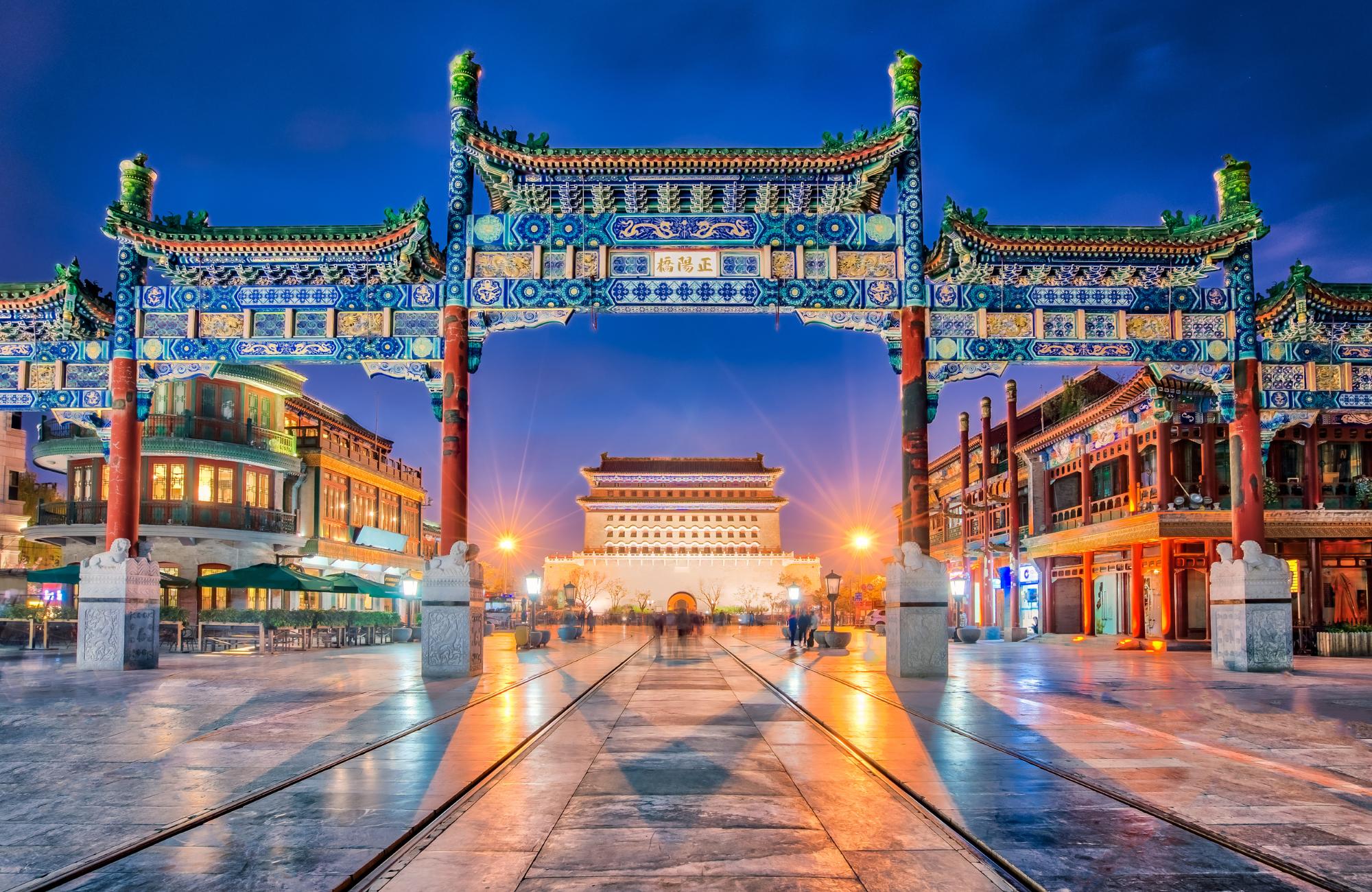
Qianmen Street, located in the heart of Beijing, is a vibrant hub of history, culture, shopping, and dining. Whether you’re a first-time traveler or a seasoned explorer, this guide will help you uncover everything Qianmen Street Beijing has to offer. From its fascinating history to the best attractions, this guide covers it all.Qianmen Street spans 840 meters in length from north to south and 21 meters in width, showcasing the architectural elegance of the late Qing Dynasty. Historically, Qianmen Street was a bustling commercial hub during the Ming and Qing Dynasties. Its strategic location near Tiananmen Square and the Forbidden City made it a vital part of Beijing’s trade and commerce. Despite numerous transformations, it has retained its cultural and historical significance. Today, Qianmen Street blends the old and the new. Modern retail stores and cafes sit alongside traditional shops and eateries, creating a vibrant atmosphere. Visitors can explore ancient tea houses, traditional Chinese medicine shops, and trendy boutiques, capturing the essence of Beijing’s rich heritage.
The Forbidden City – The Imperial Palace was formerly known as the Forbidden City, which covers an area of over 720,000 meters squared, has more than 9,000 buildings and construction area of 150,000 square meters. Forbidden City was the imperial palace of the Ming and Qing dynasties; it is the existing China’s largest and most complete ancient buildings. It was first built in 1406 and finished in 1420. In its 500 years of history, there were 24 emperors living here. Experiencing several times renovation and expansion during the Ming and Qing dynasties, the Forbidden City is still remains in its original layout.
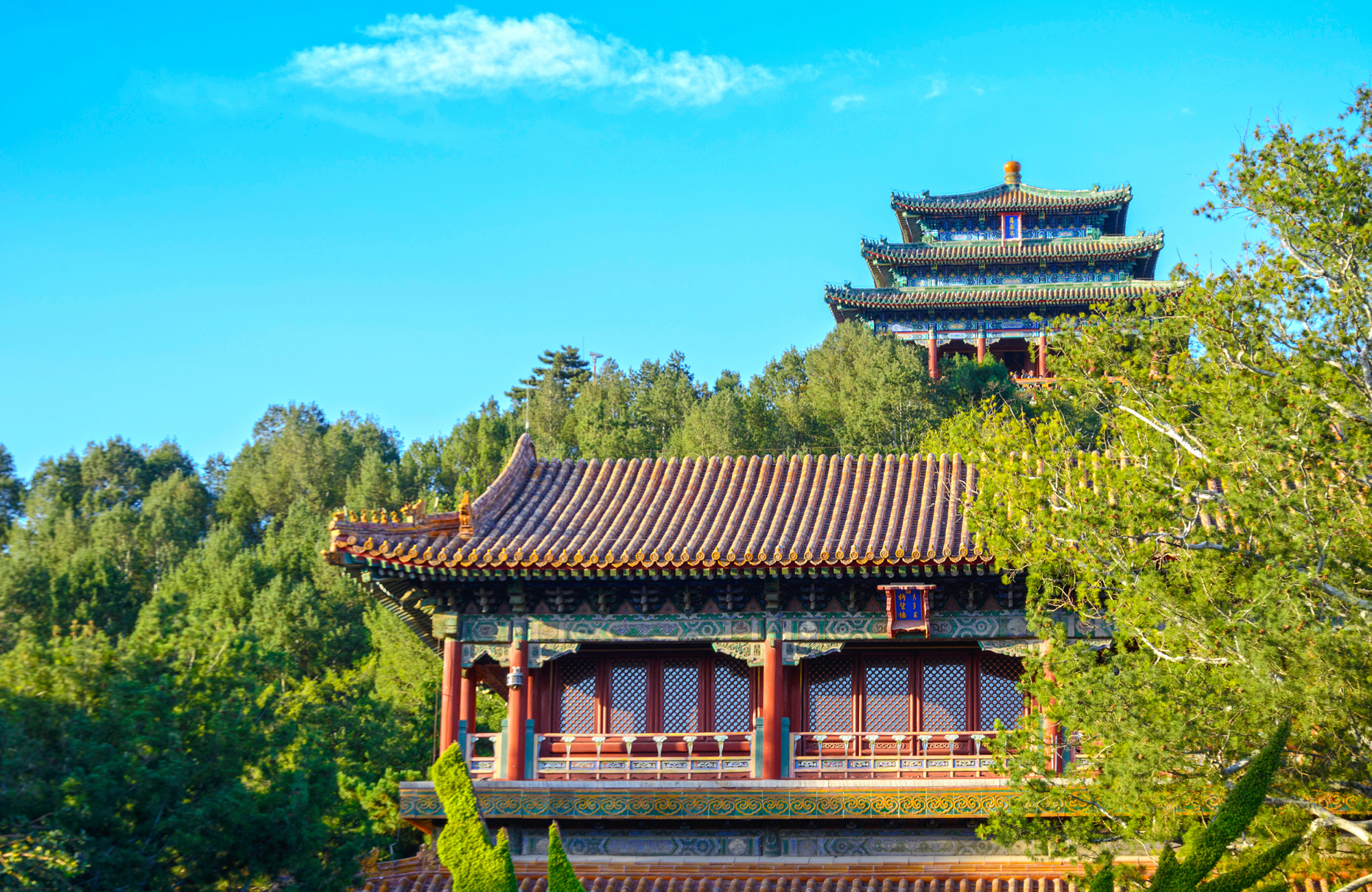
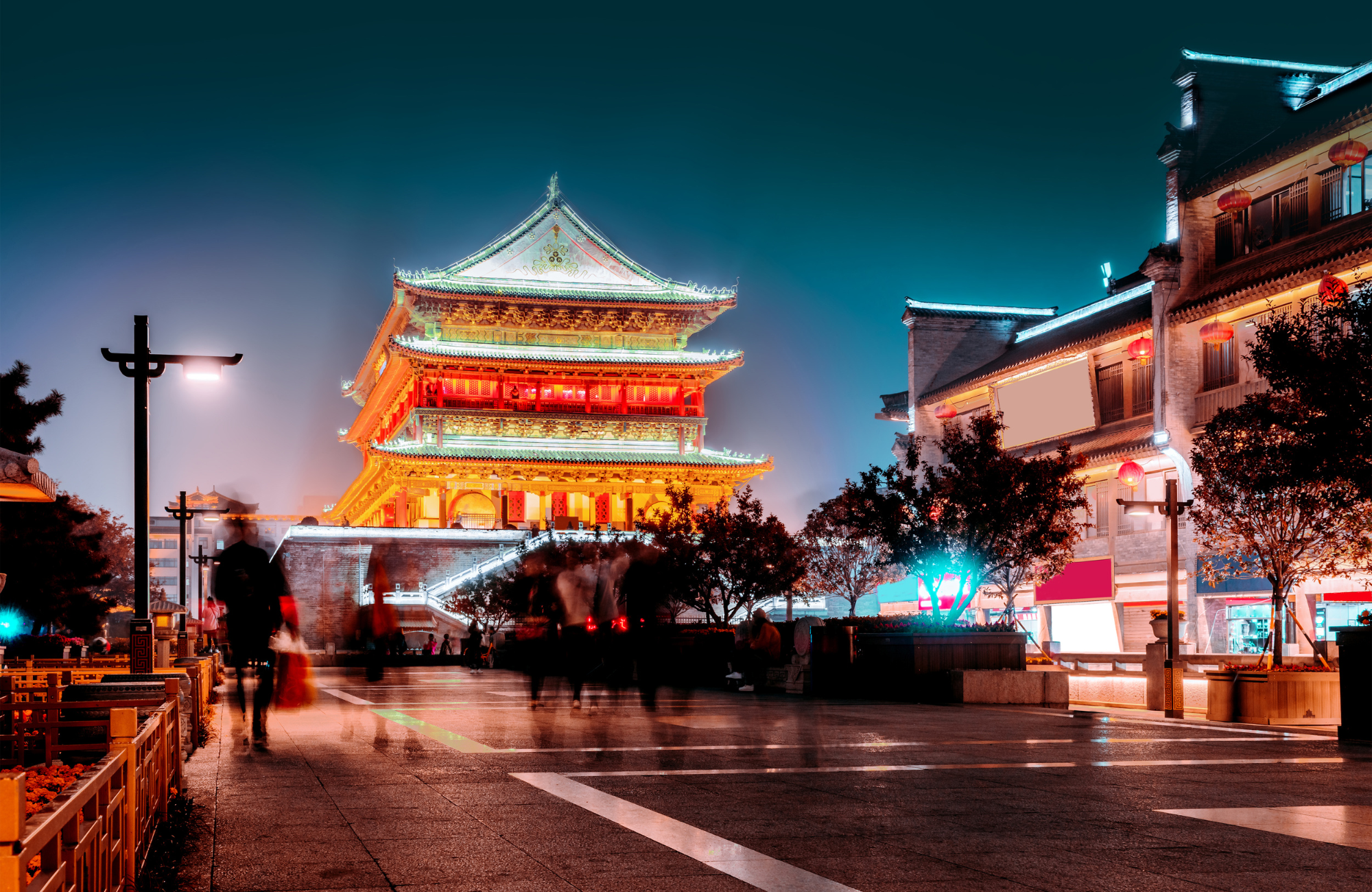
Jingshan Park – Located in the center of Beijing and facing the north gate of the Forbidden City, Jingshan Park is superbly landscaped with hills to ascend by steps, clear lakes and dignified ancient buildings. It is an ideal place to have a Birdseye view of the Forbidden City from the pavilion on the small hill. The park used to be one of the ancient imperial gardens in Beijing and is now a peaceful public park. Although it doesn’t seem so high, it is a perfect spot to overlook the Forbidden City. To the north, you can get a clear view of the ancient Drum and Bell Towers, a classical feature of Chinese cities. To the west, you can see Beihai Park and its hill-top White Pagoda.
Hutong Tour – If exploring the Forbidden City has improved your understanding of the lifestyles of China ‘s ancient Imperial Court , then this half-day Hutong Tour will give you an insight into the lives of ordinary Chinese people and reveal their social culture in today’s Beijing City. The narrow streets of old Beijing are known as Hutongs.
Beijing Roast Duck — Beijing cuisine enjoys international fame for the variety of dishes developed in the imperial kitchens of several dynasties. None is more universally renowned than the roasted duck named for the city, Beijing Roast Duck. Esteemed by gourmets for its mouth-watering aroma, tempting appearance and delicate taste, there are secrets in the cooking, skill in the preparation and serving and delight in the tasting. The crispy skin and the juicy meat leave a deep impression on first-time consumers during their Beijing trip; and the essence of this dish is the skin, so there are special techniques for serving and eating the crisp skin for maximum enjoyment.
DAY 3: Beijing: Detail Program: The Great Wall Badaling Section (cable car not included), The Temple of Heaven.
Description: The Great Wall Badaling Section located approx.70km northwest of Beijing, Badaling is the best preserved the Badaling section of the great Wall of China. It has become a symbol of Chinese civilization
And is the most famous tourist destination along the wall.
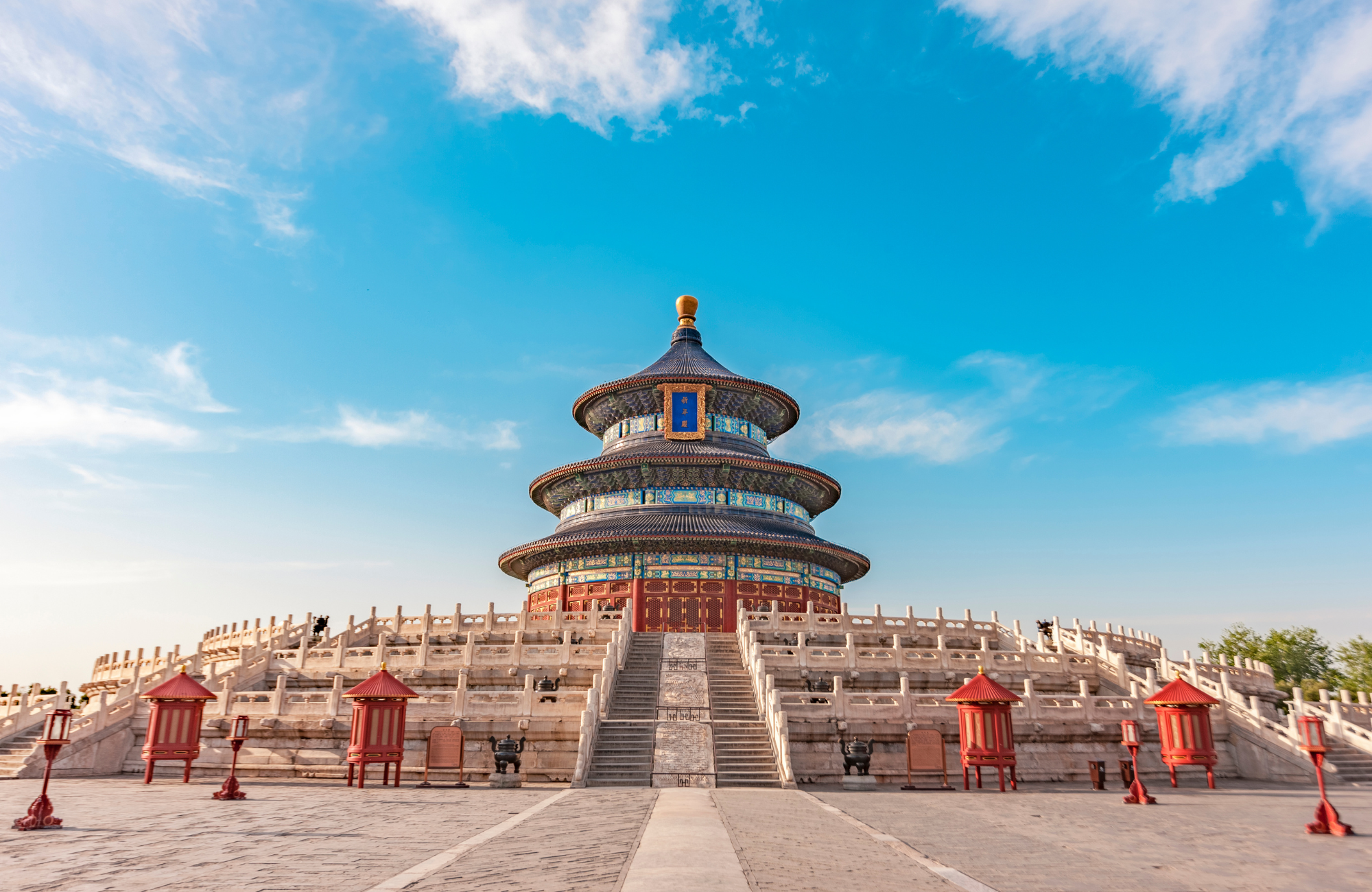
Temple of Heaven is in the south-east of the Forbidden City. It covers an area of 273 hectares which is four times larger than the Forbidden City. It was used to hold a memorial ceremony for the God in Winter Solstice Festival and to pray for harvest in the first month of the lunar year by the emperors in Ming and Qing dynasties. It is China’s existing largest structure for sacrifice to heaven.
Traditional Chinese Hospital – Visit a Traditional Chinese Medicine (TCM) hospital to learn about TCM knowledge, such as Chinese herbal medicines, Chinese patent medicines, acupuncture, and foot reflexology.
DAY 4: Beijing to Xi’an: Hotel: JIANGUO Hotel or similar. Detail Program: The Summer Palace with boat ride
Description: Originally known as the “Garden of Clear Ripples”, the Summer Palace is a magnificent imperial garden located 15 km north of Beijing City. This is the largest ancient, preserved garden in China and a former summer retreat for Emperors and the chosen few! The site includes more than 100 ancient style pavilions, mansions, towers, halls, temples, bridges and an enormous clear water lake. During the hot Beijing summers, the Imperial Family preferred the beautiful gardens and airy pavilions of the Summer Palace to the walled-in Forbidden City. It is also the best-preserved royal palace, known as the Royal Garden Museum. Notes: Boat ride in Summer Palace is not available in winter as the lake is frozen.
Transfer to train station to take express train from Beijing to Xi’an in the afternoon. (B)
Second Class of bullet train G367(14:05/18:30) (train info is subject to change)
Arrival transfer to hotel in Xi’an.
DAY 5: Xi’an: Detail Program: Qin Terracotta Army Museum, Shuyuanmen Street, Kaitong Lane and Shadow Puppet Craftsmanship (including Shadow Show).
Description: Qin Terracotta Army Museum – The Terracotta Army or the “Terra Cotta Warriors and Horses”, is a collection of terracotta sculptures depicting the armies of Qin Shi Huang, the first Emperor of China. It is a form of funerary art buried with the emperor in 210-209 BC and whose purpose was to protect the emperor in his afterlife. The Terracotta Army was discovered in March 1974 by a farmer. So far, 1,868 terracotta warriors and chariots have been unearthed. in 1987 the Terracotta Army was listed by UNESCO as a world cultural heritage and known as the eighth wonder of the world.
Shuyuanmen Street is a famous cultural and historical street located in the heart of the Xi’an’s cultural district is known for its traditional architecture and numerous shops selling calligraphy, paintings, antiques, and other cultural souvenirs. The street was originally built in the Tang Dynasty and flourished during the Ming Dynasty (1692), when Wu Congwu, a high-ranking official, retired to Xi’an after encountering a defeat in the conflicts with eunuchs. Back then, it was a hub for scholars and intellectuals who came to study at the nearby Guanzhong Academy. Today, the street still retains much of its ancient charm and is a popular destination for tourists and locals alike. Visitors to Shuyuanmen Street can explore the many shops and galleries that line the street and can also visit nearby cultural attractions such as the Shaanxi History Museum and the Big Wild Goose Pagoda. The street is also home to several traditional teahouses and restaurants where visitors can sample local delicacies.
Kaitong Lane is a timeless alley that serves as a living museum of the city’s everyday life and architectural heritage. Lined with traditional courtyard homes behind grey brick walls and aged wooden doors, it offers a quiet escape from the urban bustle. Here, you can observe local residents going about their day, catch glimpses of inner courtyards, and feel the authentic, slow-paced community vibe. More than just a pathway, it’s a preserved slice of old Xi’an, where the layers of history feel tangible, whispering stories of the city’s enduring spirit and residential charm.
Shadow Puppet Craftsmanship — A UNESCO-listed intangible heritage, this art involves carving figures from donkey or ox hide. Using over a dozen chisels, artisans create intricate, translucent silhouettes. The pieces are then assembled, painted with vibrant mineral colors, and polished. This meticulous, centuries-old craft embodies patience and skill, transforming leather into dynamic characters that carry forward China’s rich storytelling traditions.
DAY 6: Xi’an: Detail Program: Yongxing Fang, Chinese Calligraphy class at TangBo Art Center, Muslim Street and The Big Wild Goose Pagoda (See from the North Square).
Description: Yongxing Fang – Designed to satisfy the traveler to Xi’an, Yongxing Fang is a showcase of almost every local Shaanxi delicacy; you can quite literally find just about every conceivable local specialty. Located at the Zhong Shan Gate (just north of East Gate), it’s here you can sample a little dramatic art too, with the area lit up at night with gorgeous red lanterns. The buildings at Yongxingfang are laid out to reflect that of the Tang Dynasty’ s ancient capital, providing visitors with a unique window into 108 fang or quarters from over 1,300 years ago.
Xi’an Tangbo Art Center is committed to the research, practice, and cultural exchange of traditional Chinese painting and calligraphy. Its calligraphy experience explores the cultural origins of Chinese calligraphy and the evolution of Chinese characters from oracle bones to modern scripts. Through a simple, hands-on brush-writing experience, participants learn basic strokes and the aesthetic spirit of Chinese characters. Guided by experienced instructors, this class offers a gentle and engaging introduction to the art and history of Chinese writing.
Muslim Street – Located in the center of Xi’an City, is a fantastic place to wander. All shops and restaurants in the street are operated by Muslims. The stalls flanking the narrow alleys sell almost everything you can imagine. Xian Muslim Street, also known as antique street, it is collectively name of many streets in Muslim district which consists of Beiyuan gate, North Guangji street, west Yangshi, Dapiyuan several streets. Local people used to call there for the Muslim lane. It makes distinctive scenery of this ancient city based on the rich Muslim culture and atmosphere. Most streets here are built with bluestone paving, tree-lined road lined with Ming and Qing dynasties style buildings, which is full of Muslim characteristics.
The Big Wild Goose Pagoda (See from the North Square) – The Big Wild Goose Pagoda, or Giant Wild Goose Pagoda, was built in 652 during the Tang Dynasty and originally had five stories, although the structure was rebuilt in 704 during the reign of Empress Wu Zetian and its exterior brick facade renovated during the Ming Dynasty. One of the pagodas many functions was to hold sutras and figurines of the Buddha that were brought to China from India by the Buddhist translator and travelers Xuanzang. Now this well-preserved holy place for Buddhist has been the symbol of Xian.
DAY 7: Xi’an- -Guilin: Economy class GT1042 (10:40/13:00) (flight info is subject to change). Hotel: Guilin Bravo VIP building or similar. Detail Program: Transfer to Xi’an airport, and meet at Guilin airport, Elephant Trunk Hill, Reed Flute Cave
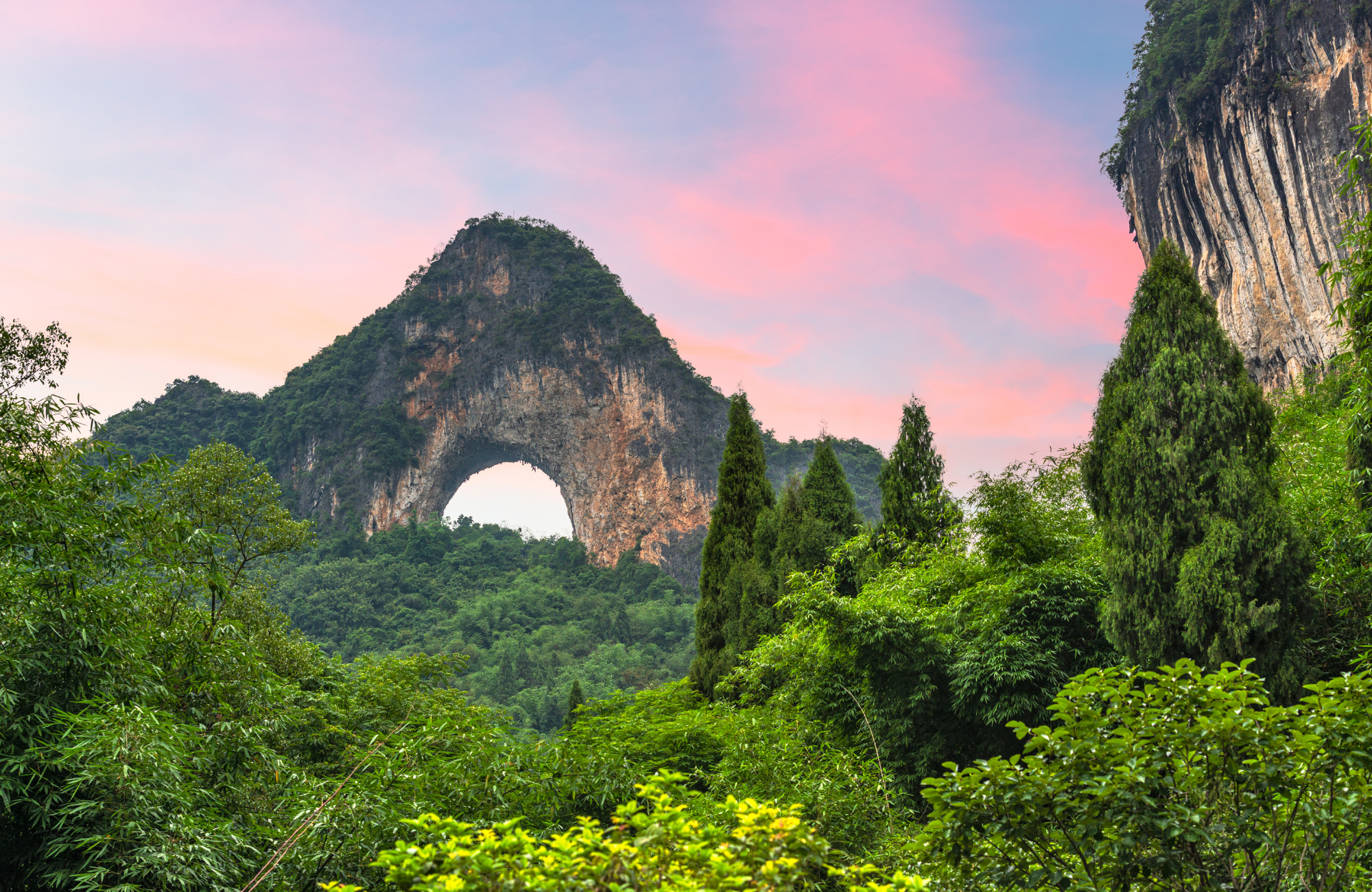
Description: Guilin Elephant Trunk Hill, also called the elephant hill, lies on the conjunction of the Li River and the peach blossom river. It is the badge of Guilin city. The whole hill looks exactly like a huge elephant stretching its trunk drinking water of the Li River. It is the masterpiece of karst landscape, composed of pure limestone deposited on seabed 360million years ago.
Reed Flute Cave – Located at the northwest of Guilin City, 5 kilometers away from the centre of the city, Reed Flute Cave is a famous scenic spot, mainly offering a magic fairyland of stalactites, stalagmites, stone columns, curtains and flowers in fantastic shapes and colors while appreciating landscape and rural scenery. The Reed Flute Cave offers a majestic fairyland of karst caves with landscape and rural scenery.
DAY 8: Guilin- -Longsheng- -Guilin: Detail Program: Longji Rice Terraces
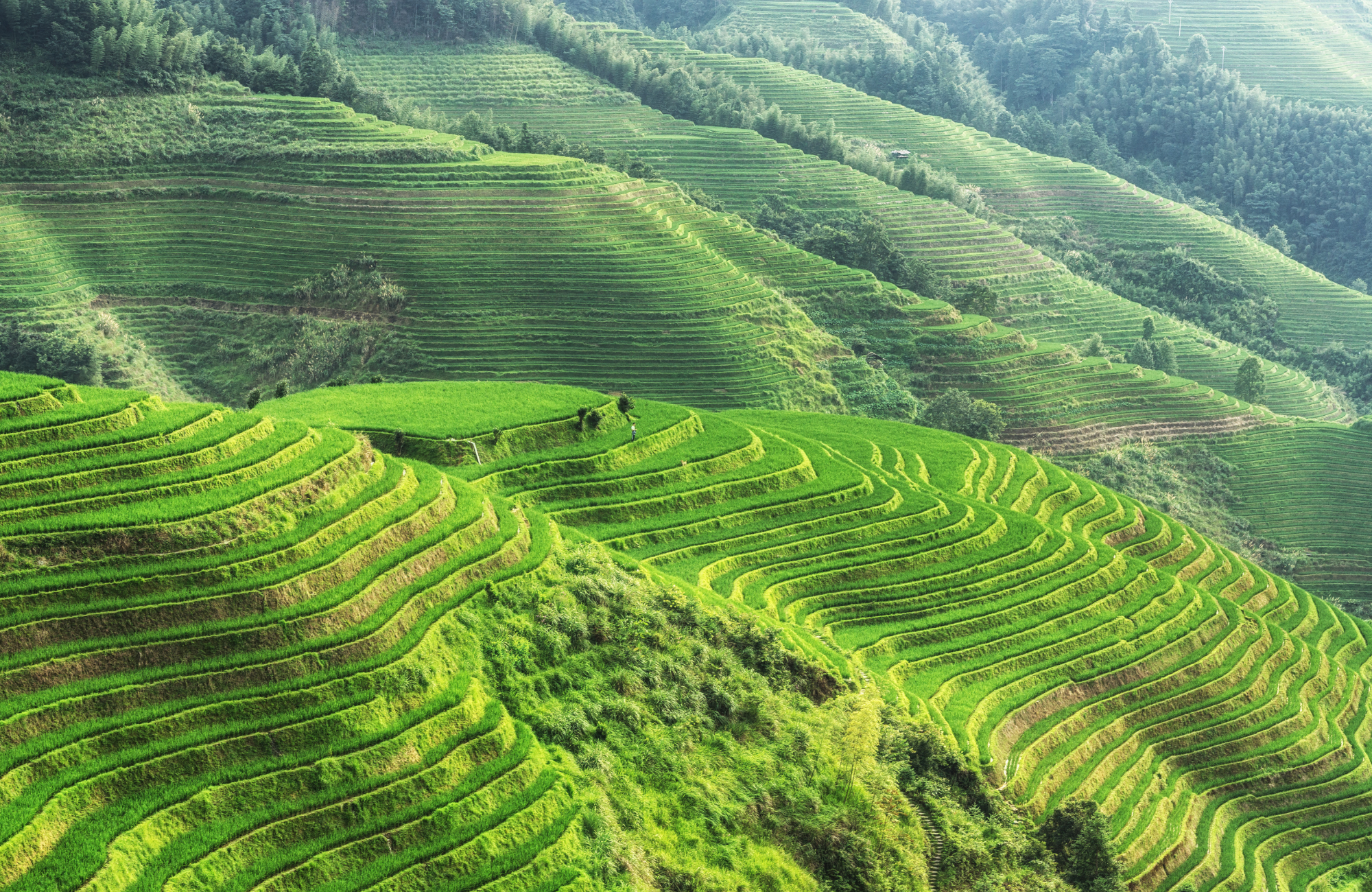
Description: The Rice Terraces in Longji village show a picture of great momentum and imposing beauty, being reputed as having no match in the world. Longji Rice Terraces are reached from Guilin by mountain roads amid spectacular scenery. With a history of more than 700 years, the area is still being used for growing premium quality rice by Yao and Zhuang villagers. The rice terraces are built into the hillsides and look like great steps cut into the slopes as they wind around the mountainsides. This ingenious construction makes best use of the scarce arable land and water resources in the mountainous area.
DAY 9: Yangshuo- -Guilin: Hotel: Yangshuo New West Street Hotel or similar. Detail Program: Li-river Cruise (4Star Boat with Standard Seat), Yangshuo West Street.
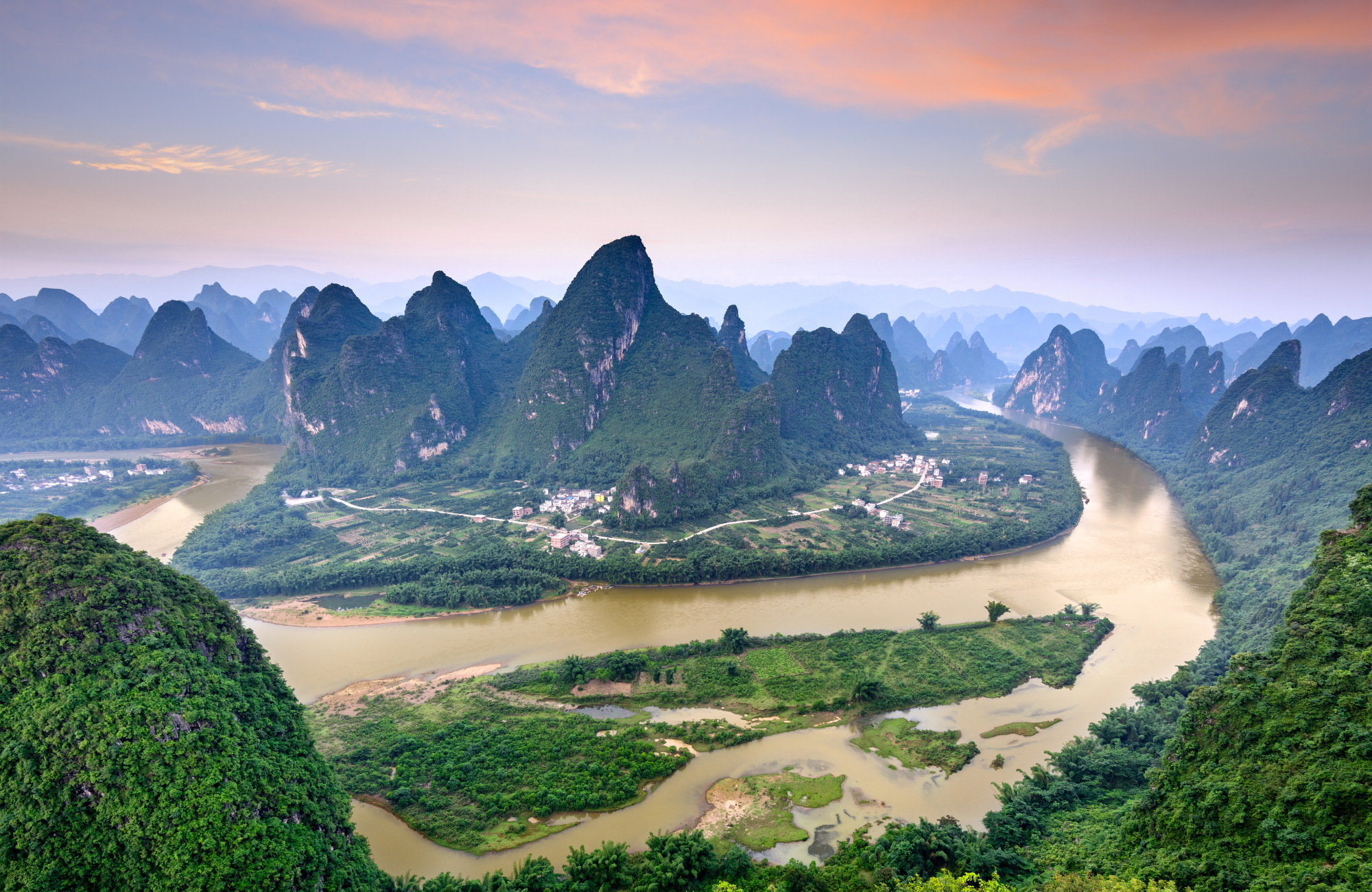
Description: Li River, situated in Guilin City of Guangxi Zhuang Autonomous Region, is a bright pearl on the list of China’s tourist attractions and it is the highlight of sightseeing tour in Guilin. The 83-km-long waterway from Guilin to Yangshuo is the masterpiece of Li River, decorated with rolling hills, steep cliffs, fantastic caves, leisurely boats and lined bamboos which is just like enjoying a melodious symphony. Hanyu vividly described the enchanting beauty of the Lijiang River in his poem: The river looks like a blue silk ribbon, and the mountains resemble emerald hairpins”.
Yangshuo West Street – Yangshuo is a small oriental but Western-influenced town with a history of 1000 years. The West Street in the town earns its name since almost everyone in West Street can speak fluent English and every restaurant or bar offers menus in several languages. You’ll feel no borders or distance here and will soon fall under the spell of this charismatic, welcoming small-town atmosphere. Moreover, West Street is flanked by fascinating little shops, and vendor stands selling a broad variety of superior quality souvenirs. West Streets charms increase when night comes; countless bars, caf s and bistros open till midnight with dynamic music and live bands to ensure you can have a memorable night with your new-found friends.
Optional Extra: Impression show of Liusanjie – The show of Impression Liu Sanjie can be regarded as one highlight of Yangshuo tour. It is a night show which you’ve never seen. This is a virtual scenery performance. The largest difference from other shows is the water and hill scenery theater. It uses the waters of Li River as the stage, 12 hills as background. With the vastsky, it consists of the largest virtual scenery theatre in the world. As it is an outdoor theater and the scenes of show are combined with the natural sightseeing, tourists will find the show different season from season and day from day depending on changeable weather condition.(USD60/ PER PERSON)
<b>NOTE: Please inform the tour guide at least two hours in advance so that tickets can be purchased</b>.
DAY 10: Guilin: Hotel: Yangshuo New West Street Hotel or similar. Detail Program: Yangshuo Cooking Class, Yangshuo Yulong River Bamboo Rafting.
Description: Yangshuo Cooking Class — Yangshuo cooking class offers you the opportunity to learn how to cook real local food. Their skilled and friendly teachers who speak fluent English would love to impart the stories and secrets of Chinese cuisine to you in a friendly fun atmosphere.You will be taken to the local markets to learn about the ingredients that will use in the dishes. In the kitchen, each one of you will have an individual wok and bench, learning by doing. Each class includes 2 meat dishes and 2 vegetable dishes.
Meat dishes – Sichuan flavored Gongbao chicken, Fried mix vegetables with chicken in oyster sauce, Sweet and sour pork, Local Beer fish, Steam stuffed mushrooms with pork, Braise egg rolls with minced pork, Steam dumplings with pork and vegetables, Stuffed pumpkin flowers with pork in soup (seasonal)
Vegetable dishes – Braise eggplant with garlic and chili sauce, Fried rice noodles with vegetables, Sichuan flavor string beans, Cucumber salad with vinegar and chili sauce, Braise Tofu with mushroom, Sichuan flavor crazy potato, Steam dumplings with mixed vegetables, Steam taro with soya sauce (seasonal)
Yangshuo Yulong River Bamboo Rafting – Glide through the serene heart of Yangshuo’s countryside on a traditional bamboo raft. Drift past a living painting of karst peaks, rice paddies, and grazing water buffalo, reflected in calm waters. A peaceful, intimate alternative to the larger Li River cruises, perfect for those seeking authentic scenery and tranquility.
DAY 11: Guilin- -Shanghai: Economy class HO1148 (11:00/13:35) (flight info is subject to change). Hotel: Shanghai Haiyue Mingting or similar (Shanghai train Station Branch).
Detail Program: Transfer to Guilin airport, meet at Shanghai airport, The Bund
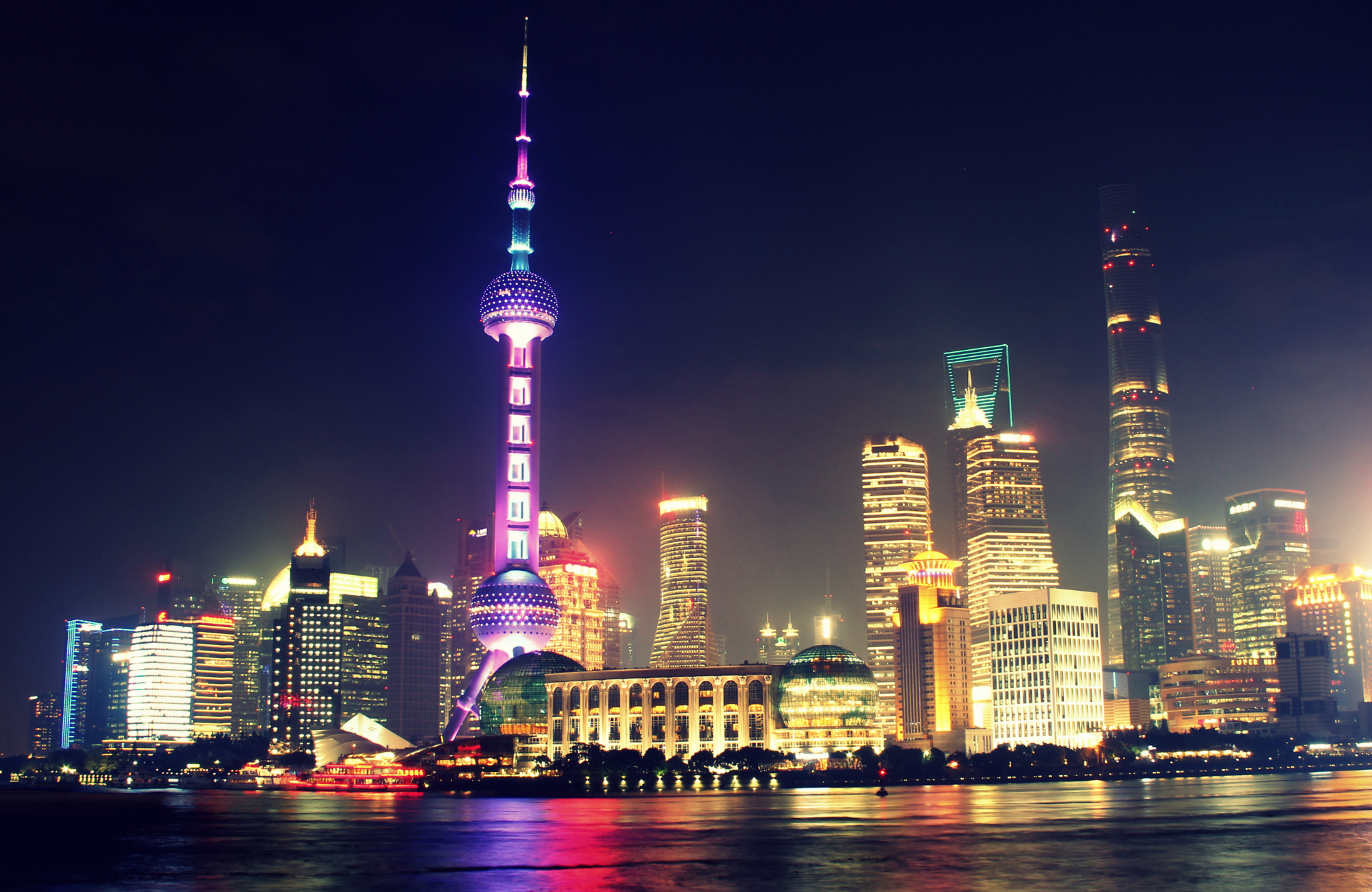
Description: The Bund is a waterfront area in central Shanghai. The Shanghai Bund has dozens of historical buildings, lining the Huangpu River, that once housed numerous banks and trading houses from United Kingdom, France, the United States, Italy, Russia, Germany, Japan, the Netherlands and Belgium, as well as the consulates of Russia and Britain. The Bund is located along the Huangpu River which is in the Huangpu District, the center of Shanghai. It has the Shanghai landmarks Oriental Pearl TV Tower and Jinmao Tower across the Huangpu River. It is a must-see place while enjoying your Shanghai Tours
DAY 12: Shanghai: Detail Program: Wukang Road, Xintiandi and Chenghuangmiao Bazaar. Description: Wukang Road, a 1.17 km long road, along which each house and its detail show its stories and history. All the buildings here are in European style. Walking on Wukang Road you’ll get the sense that you have arrived in Europe.
Xintiandi — Xintiandi means “New Heaven and Earth”, is a car-free shopping, eating and entertainment area of Shanghai, China. It is composed of an area of restored traditional shikumen (stone gate) houses on narrow alleys, a modern shopping mall with a cinema complex, and some adjoining houses which now serve as bookstores, cafes and restaurants. Most of the cafes and restaurants feature both indoor and outdoor seating. Xintiandi has an active nightlife on weekdays as well as weekends, though romantic settings are more common than loud music and dance places.
Chenghuang miao Bazaar – Located in the heart of Huangpu District, Shanghai’s Chenghuangmiao Bazaar is a vibrant commercial and cultural hub, right next to the historic Yu Garden. This bustling pedestrian zone is a perfect blend of traditional Chinese architecture and modern commerce, offering an authentic taste of old Shanghai.
Optional Extra: Buffet at Jinmao Tower 56F (Guests pay directly at the restaurant) Buffet Pricing: o Lunch: Monday to Friday: CNY 388 per person, Saturday/Sunday: CNY 488 per person o Dinner: Sunday to Thursday: CNY 488 per person Friday, Saturday and Public Holidays: CNY 588 per person
DAY 13: Shanghai- -Suzhou: Hotel: Suzhou GRACE hotel or similar. Detail Program: Humble Administrator’s Garden, Hanshan Temple, New Suzhou Museum, No.1 Silk Factory.
Description: Humble Administrator’s Garden (Zhuozheng yuan) is the best representation of Chinese classical gardens of the Ming Dynasty. Its design is duplicated in many gardens throughout China, and there’s even a replica in the New York Metropolitan Museum. In total, the garden contains 48 different buildings with 101 tablets, 40 stelae, 21 precious old trees, and over 700 Suzhou-style penza. In 1997, Zhuozheng Yuan, along with other classical gardens of Suzhou was proclaimed a UNESCO World Heritage Site.
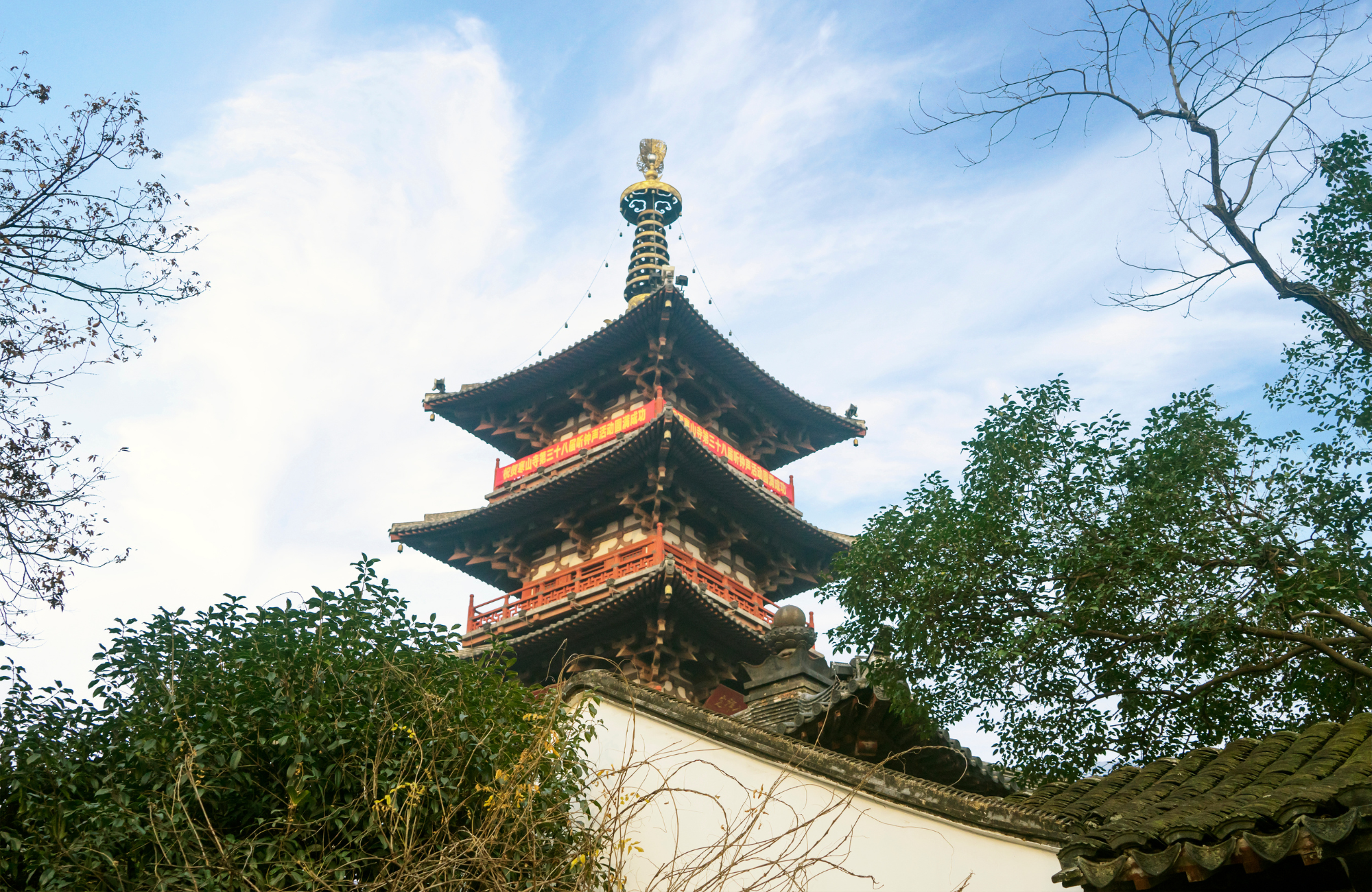
Hanshan Temple (Hanshan si) is located in Maple Bridge Town (Fengqiao) in the west outskirts of Suzhou, and used to be one of the ten most famous temples in China. Hanshan Temple is famed in East Asia because of the poem “A Night Mooring by Maple Bridge”, by Tang Dynasty poet, Zhang Ji. The poem describes the melancholy scene of a dejected traveller, moored at night at Fengqiao, hearing the bells of Hanshan Temple.
New Suzhou Museum – The Suzhou Museum is a museum of more than 15,000 pieces of collections. Most are ancient paintings and calligraphy, ceramics, crafts, unearthed relics and revolution relics. New Suzhou Museum is the last design of Chinese-American architect I. M. Pei in his career. It is not only a public construction symbol in Suzhou, but also an innovative mark bridging Chinese architectural culture from the tradition to the future.
No.1 Silk Factory – Silk has a history of some 4,500 years in China, so they have become adept at producing many different types of silk, as well as dyeing it and weaving different patterns into the fabric. Suzhou is famous for its silk production. In the Silk Factory you can see a display of the life cycle of the silkworm and demonstrations of how silk is harvested from the cocoons and eventually woven into fabric. It is quite astonishing to learn that one cocoon can produce about 2 km of silk strand, and that several of these strands are twined together to make a single thread. The process is so slow and painstaking; it comes as no surprise that genuine hand-made silk articles are so expensive.
DAY 14: Suzhou- -Shanghai: Hotel: Shanghai Haiyue Mingting or similar (Shanghai train Station Branch). Detail Program: Tongli Water Town and Nanjing Road
Description: Tongli Water Town – Originally named Fushi, Tongli is an old but very well-preserved water township with a history of more than 1,000 years. Built in the Ming and Qing dynasties, it encloses 5 lakes and 15 canals dividing the town into 7 islands which are connected by 20 ancient bridges of the Song, Yuan, Ming and Qing dynasties. Tongli is famous for its one garden, two halls and three bridges. One garden refers to Tuisi Garden. Two halls are Chongben Hall and Jiayin Hall. Three bridges are Taiping Bridge (“Safety” in English), Jili Bridge (“Good luck” in English) and Changqing Bridge (“Longevity” in English). Local tradition calls for those celebrating a Wedding or Birthday to pass over all three bridges.
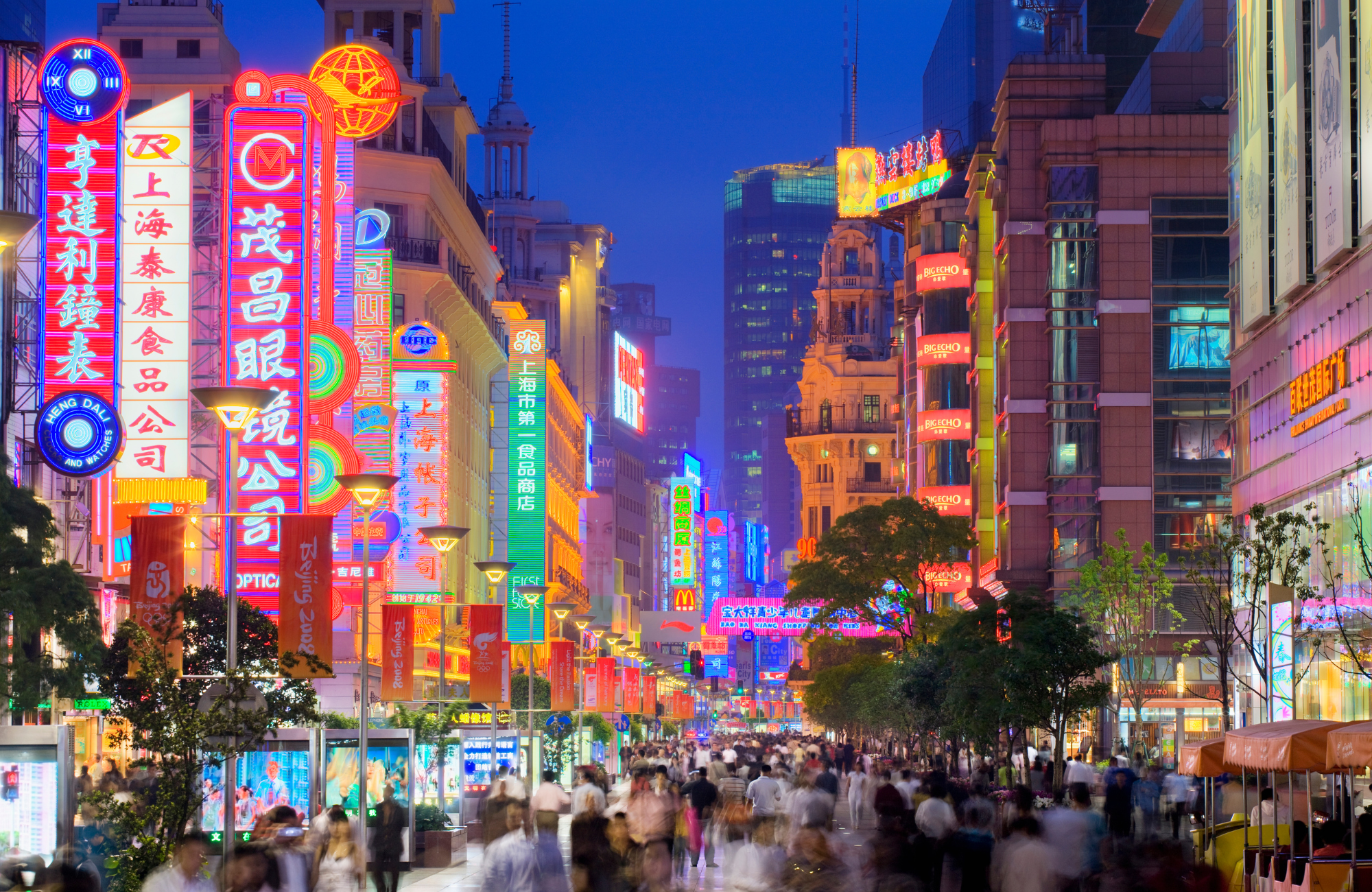
Nanjing Road — Nanjing Road, 5.5 km in full length, enjoys the reputation as China No. 1 commercial center. It was the earliest commercial street in Shanghai since the city opened to the outside world. The street stretches across the central city of Shanghai and next to Huangpu River in the east, the cross point of Jing’an Temple and West Yan’an Road. The road is divided into east and west parts by Xizang Road. On both sides of the street, there are more than 360 malls, department stores, specialized shops, restaurants and cultural and recreational facilities.
DAY 15: Departure Shanghai: Detail Program: Oriental Pearl TV Tower (the 2nd sphere) and Shanghai History Museum, Nanjing Road, Transfer to Shanghai airport.
Description: The Oriental Pearl Radio and TV Tower have 3 main sightseeing floors where tourists can enjoy the city view from different heights. The Space Capsule (the 3rd sphere) is 350 meters off the ground and at 263 meters is the major sightseeing floor, the 2nd sphere. There are 2 outdoor sightseeing floors. One is 259 meters off the ground (in the 2nd sphere) and the other is 90 meters from the ground, in the 1st sphere. Tourists can visit these parts together or separately. The basement houses the Shanghai Municipal History Museum.
Later transfer to airport for flight home. Pick up time to be advised locally.
Flights & Dates
Outbound Flight
- Departs Dublin 09:00 / Arrives Abu Dhabi 19:35
- Departs Abu Dhabi 20:50 / Arrives Beijing Daxing International 09:00
Return Flight
- Departs Shanghai 19:25 / Arrives Abu Dhabi 00:30
- Departs Abu Dhabi 02:10 / Arrives Dublin 07:15

Optional Extras
- Single Supplement Cost£420 per person
Related Tours


County Clare, The Burren & The Cliffs of Moher Tour


